
Reviewed · WINTER ACTIVITIES
Ehrwald: Zugspitze Snowshoe Hiking Tour with Mountain Views
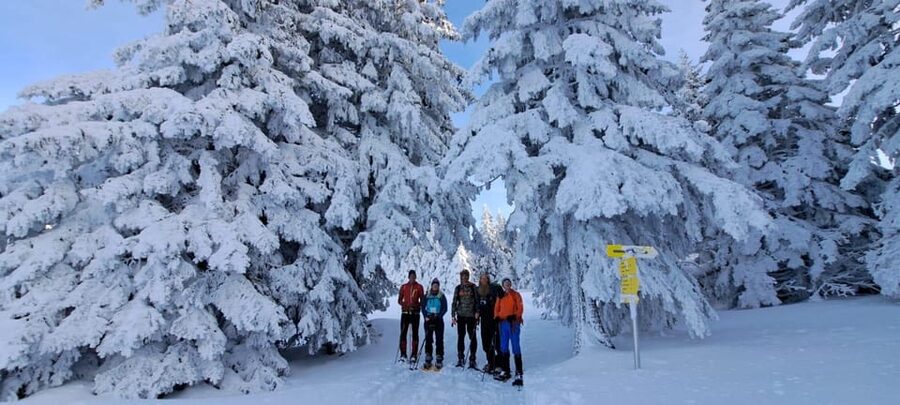
This tour is interesting because it mixes Zugspitze mountain views with an outdoor winter activity that feels both sporty and scenic. You start away from the biggest crowds, then learn how to move confidently in snow while the mountains do the show.
What I like most is the free snowshoe rental and the focus on breath taking panoramic viewpoints during the walk. The whole experience feels built for real people, including those trying snowshoe hiking for the first time.
One thing to consider is that conditions can change, and you may still face a tougher climb if you are new to walking on snow. Also, the activity is not suitable for a range of health or mobility needs, so it helps to check the limits before you go.
Key things to know before you go
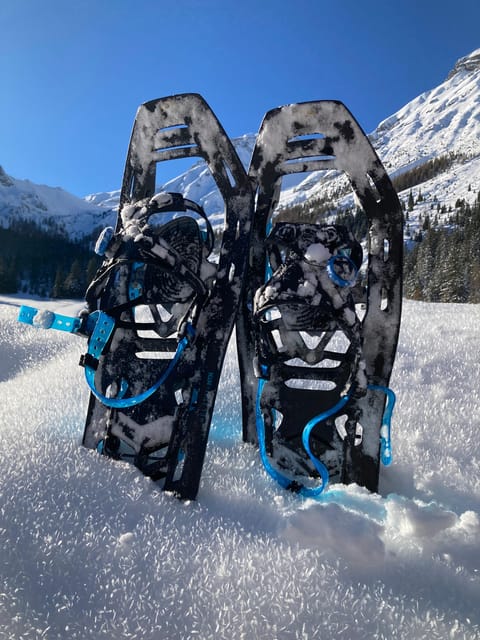
- Free modern snowshoes so you can show up without hunting for gear
- Panoramic views from the Zugspitze area that make the effort feel worth it
- A short, practical intro covering gear basics and safety before you head out
- A guide who works at your pace, with time taken for first time walkers
- Wildlife watching mixed into the hike, not treated like an afterthought
- Weather dependent routes, with crampons used when snow is not sufficient for snowshoes
Ehrwald and Zugspitze make a strong pairing for snowshoe hikes
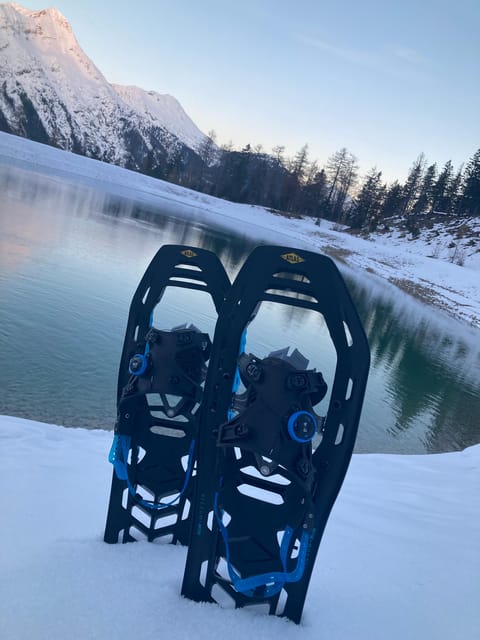
Ehrwald sits in a place where winter scenery is not a background detail, it is the main event. When you head toward Zugspitze, the air tends to feel crisp and clear, and the views become a reward you can actually work for. This tour keeps that payoff central, with a big portion of your short trip spent moving through snowy terrain and taking in the mountain panorama.
I also like that this is not just about walking in circles. The guide shares what to look for, both in nature and in the snow itself, so you feel like you are learning something, not just tagging along. That matters because snowshoe hiking feels easier when you understand why the ground does what it does.
Finally, this is a two hour experience, which is great if you want winter scenery without committing to a full day outside. It is long enough to feel like you got outside and challenged yourself, but short enough that you can still do other things around Ehrwald.
Ebne 5 meeting point, parking start, and how the tour begins
You meet at Ebne 5. The practical part here is that you go to a car parking place, then you look for the sign that says Meeting Point. When the group gathers, the guide welcomes you and sets the tone for the walk.
What you should expect at the start is not a rushed handoff. There are basic instructions first, including theory about the right gear and safety, so you are not figuring everything out mid stride. This is especially helpful if you have never used snowshoes before.
If you like clear starts, you will probably appreciate the simple setup: park, find the sign, meet the guide. It reduces the chance of stress, which is honestly half the win on winter tours.
One small caution, it can be colder than you expect at the parking area before you begin moving. Bring a warm layer that you can keep on until the hike gets going.
The Zugspitze part: a two hour hike built around views and pacing
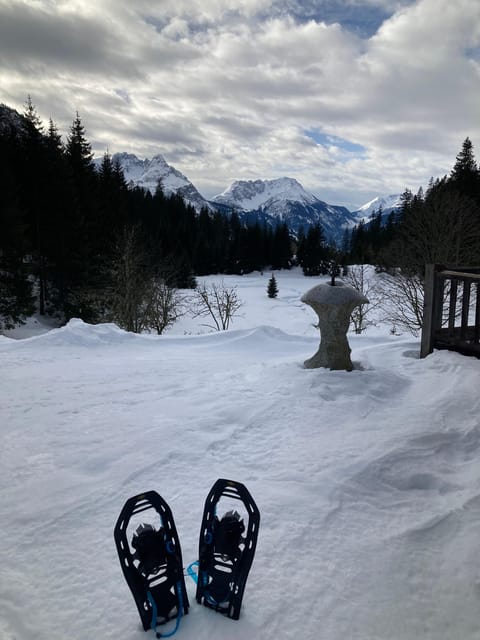
The core of the experience is the walk in the Zugspitze area, for about two hours. The emphasis is on panoramic viewpoints, so you are not just moving through snow, you are moving with a purpose: see more from higher angles and better sightlines.
You should also expect some effort. In the reviews, people call out a bit of climb, and one first time snow walker described the ascend as quite hard. The good news is that the guide takes time, keeps things relaxed, and adjusts the way you move when you need it.
That balance is important. Snowshoe hiking can feel intimidating on day one, mainly because your legs burn in places you do not usually notice. When the guide slows the group down and explains what to do, the experience shifts from struggle to steady progress.
Also, this is not framed as an all out endurance event. It is activity plus learning, with wildlife watching woven into the walk. That means you might pause at moments to look and listen, instead of only rushing forward.
What the guide teaches you before you snowshoe
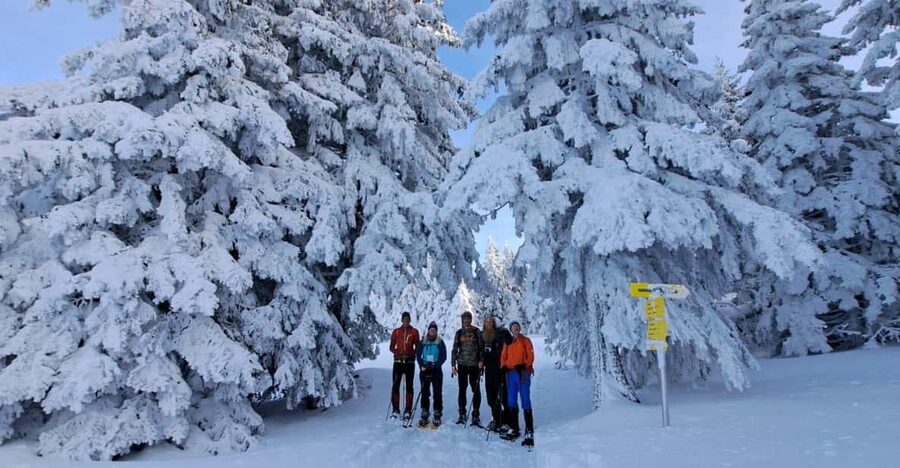
Before you head out fully, you get instruction plus safety basics. The focus is practical: how to use the snowshoes, how to think about stability, and how to stay safe in winter conditions where footing changes fast.
You will also learn about gear choices. Even if the tour provides the snowshoes, you still need the right clothing and comfort choices. The tour language includes German and English, so you can follow along even if your German is limited.
One detail I value is the way the theory ties to nature. You are not learning safety as a checklist only. You are learning enough to understand snow conditions and how they affect where you should step.
If you are the kind of person who likes to feel competent, this section is a good start. You will leave knowing how to approach a snowy trail with more confidence, and that helps on any future winter walks you do in the Alps region.
Wildlife spotting and reading snow conditions on the go
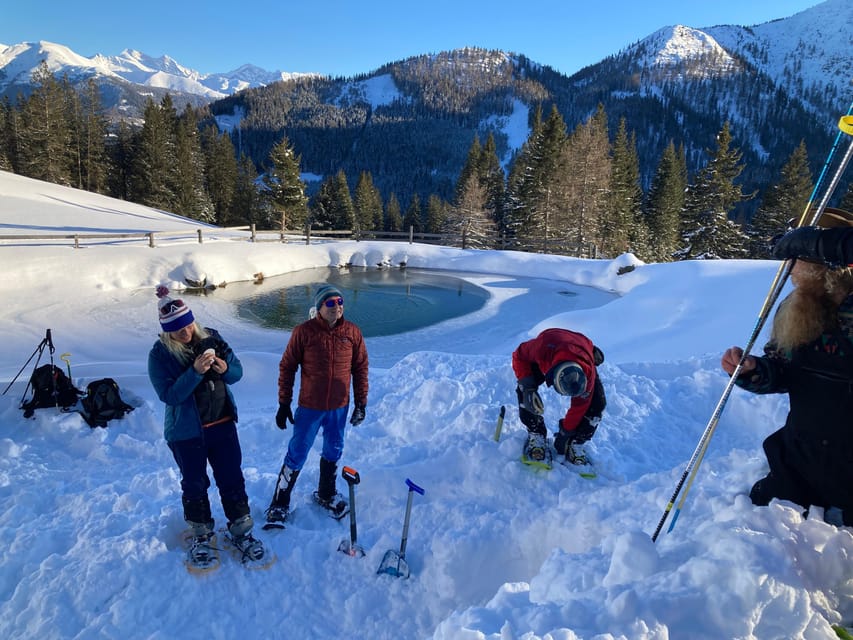
This tour includes wildlife watching as part of the experience. In practice, that often means the guide calls out signs and gives you a moment to look, rather than turning the hike into a slow, stop and stare photo session.
The guide also covers snow conditions and what they mean for your hike. That matters because snowshoes can behave differently depending on depth and texture. When the snow is packed, the route can feel more predictable. When it is softer or uneven, you need more careful steps to stay stable.
This is one of those small things that can make a big difference. If you go in blind, snowshoeing feels like a constant balancing act. When someone explains what to watch for, you stop fighting the terrain and start working with it.
Also, if you are hoping for winter nature moments away from the biggest tourist crowds, the start away from the main crowd is a real plus. You get a calmer setting to listen, look around, and actually feel like you are in the mountains, not just visiting them.
Modern snowshoe rental, what is included, and what is on you
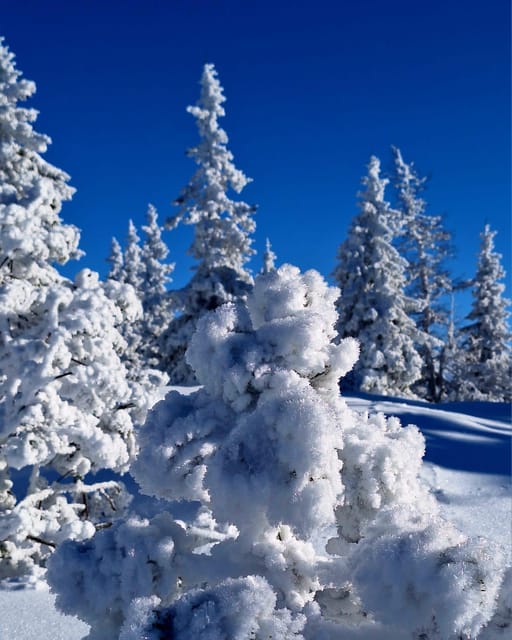
Snowshoe rental is included. That is a huge value point because good snowshoes are not always easy or cheap to source last minute. It also means the tour can match you with gear that works for the conditions they expect, instead of forcing you to guess.
What is not included is personal gear and food. You will want to bring your own daypack, along with day level essentials, plus food and drinks. Plan to carry enough for comfort for the duration of the hike, especially in winter when you warm up slower than you think.
This is a small group style experience, and the guide supports you with guidance and snow conditions. You are not alone out there, but you are still responsible for dressing right and bringing the basics.
If you want the simplest preparation, treat it like this: bring warm outdoor clothing and a daypack, and show up with enough food and water to stay comfortable. The rest is handled, meaning you do not need to spend your travel time renting equipment or doing last minute shopping.
Weather changes: crampons when snow for snowshoes is not enough
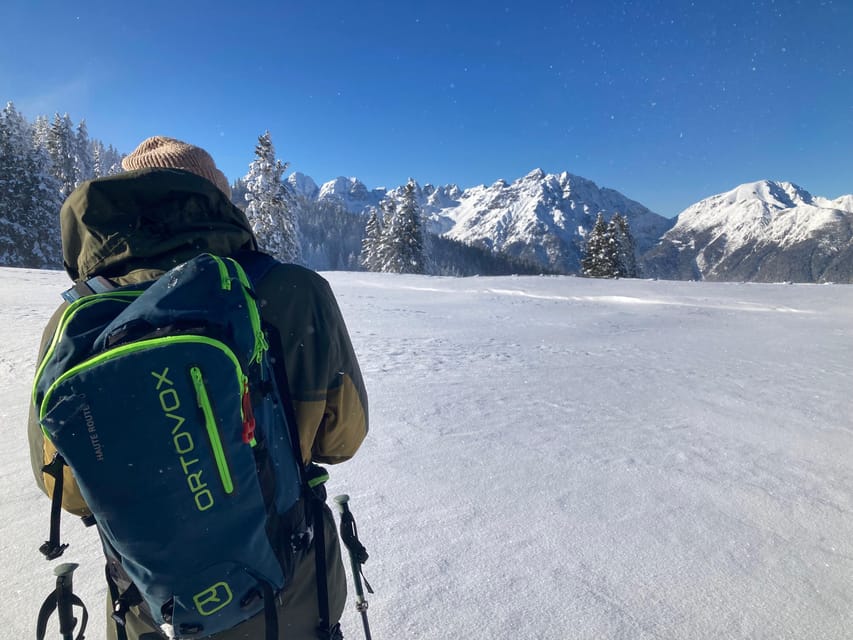
Weather matters in the mountains. The good part is that if conditions are unfavorable, alternative tours will be carried out. That gives the operator a way to keep you active even when the mountain does not cooperate.
There is also an important specific backup plan. If snow conditions are not enough for snowshoes, you hike with crampons if needed. The necessary gear is provided by the tour operator.
This flexibility is more than a safety net. It tells you the tour is designed to stay practical. Instead of canceling at the first sign of trouble, they adapt the approach so you still get an outdoor experience.
If you are booking with limited time in the region, this is reassuring. It is still worth dressing for changing conditions, but at least you know the plan has routes in place when the snow level is different than expected.
Price and value around $80 per person for two hours
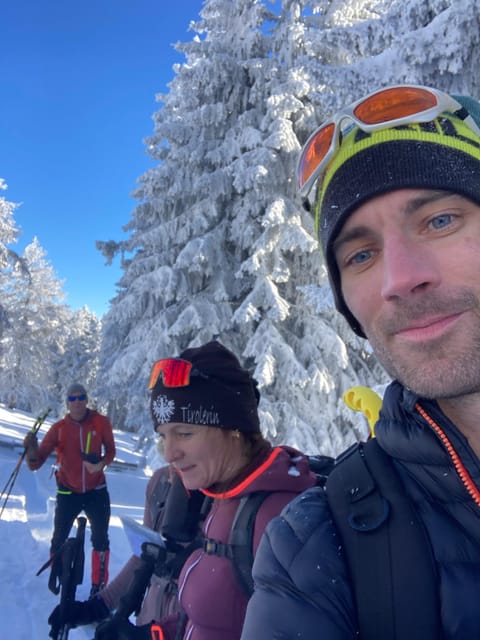
At about $80 per person for a two hour tour, the price lands in the “reasonable adventure” zone. You are not paying for a long day, but you are paying for real guidance, included rental, and a guided experience in a specific mountain area.
Here is why it feels like good value. First, the snowshoe rental is included, and that alone can remove a chunk of pre trip costs. Second, you get instruction and safety basics, not just the gear and a route. Third, the guide adds wildlife watching and interprets snow conditions, so you come away feeling like you learned something.
Could you walk the area on your own cheaper? Sure, but in winter, your biggest costs are usually time and stress, not just money. With a guide, you trade some cash for confidence and smoother logistics.
Also, the reviews point to a relaxed hike with a guide who takes his time, including for first timers. That kind of quality guidance is hard to replicate for free, especially when the weather and footing can change your whole experience in a hurry.
Who should book this snowshoe tour, and who should skip it
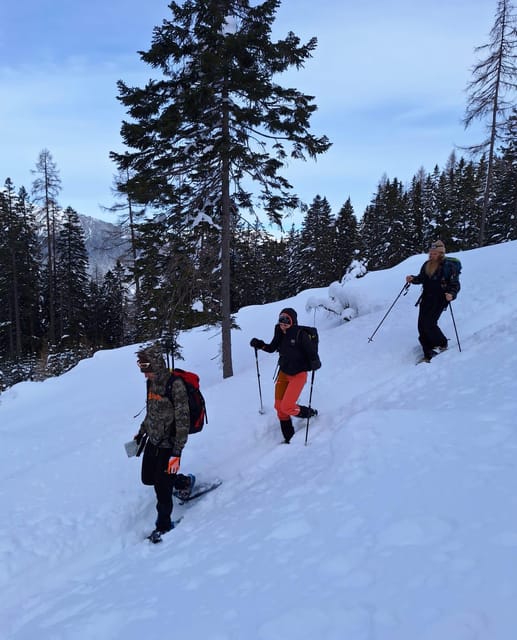
This tour is a strong match if you want winter outdoors with mountain views and you like the idea of learning basics before you head out. People mention it as something many can do, and the guide adjusts pace enough that a bit of climb does not have to turn into a deal breaker.
It also includes tour options for families, which is a good sign if you are traveling with kids who can handle short winter outdoor activity and follow directions. If your group prefers structure, learning safety and gear basics first is a comfort.
That said, it is not suitable for certain travelers. It is not recommended for pregnant women, people with mobility impairments, wheelchair users, people with heart problems, respiratory issues, a cold, kidney problems, people with recent surgeries, visually impaired people, or people over 70 years.
I would treat that list seriously. Winter hiking can be deceptively demanding. If any of those categories apply, choose another type of winter activity that matches your health and mobility needs better.
What to pack so the hike feels comfortable, not miserable
The essentials are clear. Bring outdoor clothing, a daypack, plus food and drinks. In winter, I like having layers that you can adjust as you warm up once the hike starts.
Even though snowshoes are provided, your clothing still decides your comfort. You want warm outer layers, something that handles snow and wind, and a setup that lets you move without overheating. Gloves, a hat, and warm socks can make the difference between enjoying the views and spending the whole time thinking about your hands.
Food and drinks matter too. Two hours seems short, but in cold air, you burn energy and you also feel it faster. You do not want to hit the final minutes thinking about where you can grab something warm.
A daypack keeps your hands free and gives you a place for the basics if you need to remove a layer. Keep it simple, and make sure you can access water without digging.
The guide experience: Simon’s reputation for calm, friendly expertise
One thing that comes through strongly is the guide quality. Multiple reviews highlight Simon, describing him as friendly and knowledgeable about the local area and the wider range of winter activities available in the region.
I like that the feedback connects knowledge with people skills. Being good at the trail is great, but the best winter guides also know how to keep a group relaxed when the climb feels tough. Reviews mention a relaxed hike and the guide taking time, including for people who felt challenged on their first snowshoe outing.
There is also a helpful theme about doing your part. If you are new to walking on snow, expect the ascend to feel harder at first. With the guide pace and instruction, it becomes manageable, and the views are the payoff people remember.
If you want a tour where the guide is part teacher, part host, this one seems to deliver.
Should you book the Ehrwald Zugspitze snowshoe tour?
Book it if you want a short, well guided winter outing with free snowshoe rental and strong mountain views. You will likely appreciate the mix of safety instruction, snow condition awareness, and wildlife watching, especially if you want to feel more confident outside in winter.
I would also book it if you value a relaxed pace. Even when there is a climb, the guide support seems to keep the experience from turning into a stress test. For families, the existence of family friendly options is a plus, assuming everyone in your group can follow directions and handle outdoor cold.
Skip it if you fall into any of the listed health or mobility categories, or if you want a totally low effort experience. This is active winter hiking, and the whole point is that you earn those panoramic views with movement.
If you are deciding at the last minute, my practical advice is simple: dress warmly, bring food and drinks, and show up ready to learn. The tour is designed to make winter hiking easier on you, not harder.
FAQ
Where is the meeting point for the tour?
You meet at Ebne 5. You will arrive at a car parking place, then look for the sign that says Meeting Point.
How long is the snowshoe hiking tour?
The duration is two hours.
Is snowshoe rental included in the price?
Yes. Snowshoe rental is included.
What languages is the live guide available in?
The live guide offers German and English.
Do I need to bring my own food?
Yes. Food is not included. You should bring food and drinks.
What personal gear should I bring?
The tour does not include personal gear, so you should bring your own outdoor clothing and a daypack.
What happens if there is not enough snow for snowshoes?
If snow conditions are not enough for snowshoes, the tour can be done with crampons if needed. Necessary gear is provided by the tour operator.
Are there options for families?
Yes. Tour options for families are available.
Who is this tour not suitable for?
It is not suitable for pregnant women, people with mobility impairments, wheelchair users, people with heart problems, people with respiratory issues, people with a cold, visually impaired people, people with kidney problems, people with recent surgeries, and people over 70 years.
Winter Activities, compared.
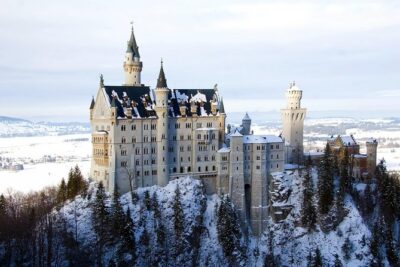
Winter Tour to Neuschwanstein Castle from Munich
Read our review →

Browse the lists this tour appears in