
Reviewed · CITY TOURS
Dresden: Guided City Walk
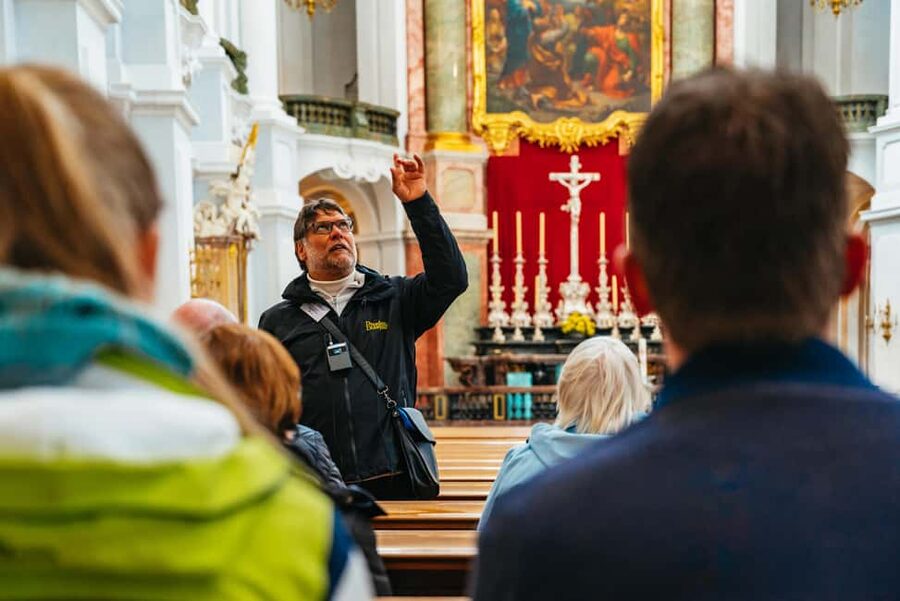
Dresden has a rare talent for stacking centuries into one compact walk, from Middle Ages scars to Baroque brilliance. This guided city walk strings those eras together in plain, human stories, so the landmarks make sense fast.
I especially like how the route is built around Dresden’s biggest “you have to see it” sights, including the Frauenkirche and Semperoper. I also like that the guide doesn’t treat 1989 as a footnote, they explain what the Peaceful Revolution meant for real people in East and West Germany.
One thing to consider: this tour runs in German only, so if you want full detail and nuance, that language requirement matters.
Key Highlights You Will Actually Notice
- Neumarkt orientation: you start in the right place, then work your way into the historic core.
- Fürstenzug (Procession of Princes): a must-see Dresden landmark you’ll understand better after the story.
- Brühl’s Terrace and river views: classic photo angles plus context for the buildings you’re looking at.
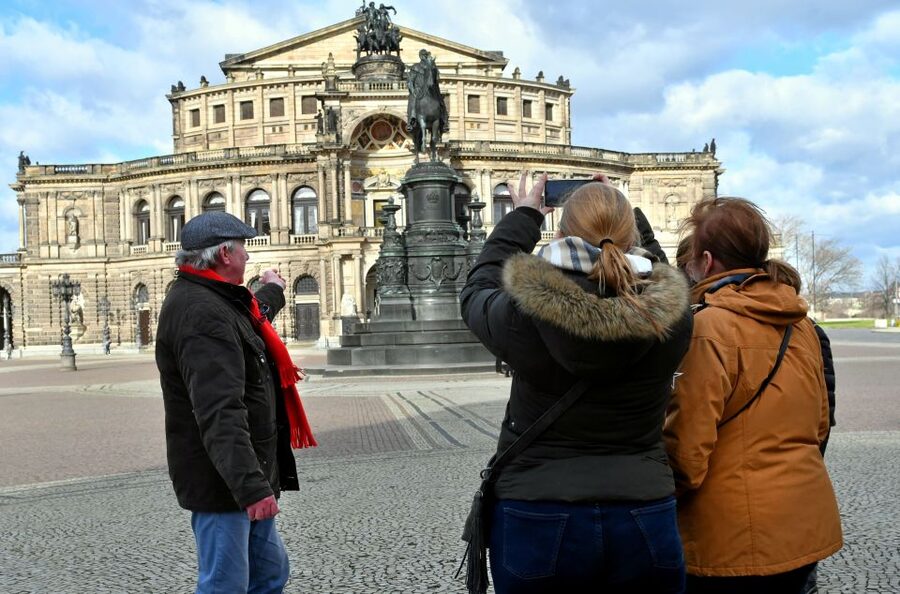
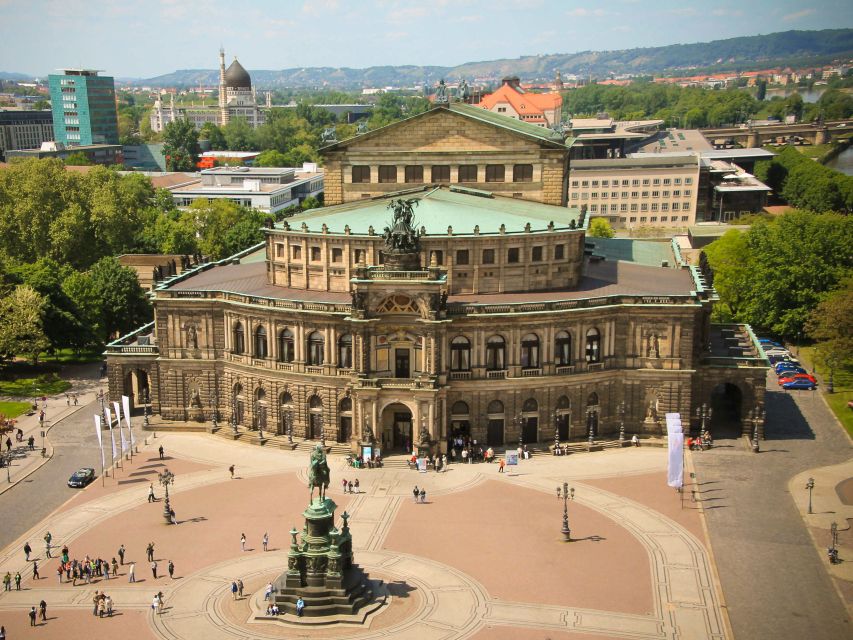
- Semperoper to the Zwinger: Baroque splendor explained without turning into a lecture.
- The Nymphenbad: a “mysterious” stop inside the Zwinger that adds variety to the walk.
- A meaningful finish at Frauenkirche: the final stop lands with emotional weight and history.
Why This 90-Minute Walk Works in Dresden
A tour that lasts 90 minutes is a smart format for Dresden. You get a lot of coverage without feeling like you’re sprinting from one monument to the next, and the guide can connect the dots between medieval, Renaissance, Baroque, and later modern changes.
The practical value is that you do not have to guess what you are looking at. Even if you have seen photos of the Frauenkirche or the Zwinger before, a guided route helps you spot details you would normally miss, like why certain buildings look the way they do, and what was controversial about later choices.
And at $15 per person, it’s one of the easiest “spend money to save time” plays in town. You are paying for clarity, story, and good photo stops, not for a fancy venue. For many visitors, that is the best kind of value.
More City Tours in Dresden
- Dresden: City & Semperoper Guided Walking Tour
★ 4.8 · 2,307 reviews - Dresden: City Sightseeing Tour with Live Guide
★ 4.6 · 1,730 reviews - Elbfloren: Historical city tour
★ 4.8 · 854 reviews
Starting at Dresden Information by Neumarkt (QF Passage Basement)
The tour starts near Neumarkt, with the meeting point inside the QF Passage. Specifically, you go into the basement level and meet in the seating area of the Dresden Information.
That matters because Neumarkt is where you quickly get your bearings. If you arrive early, you can look around and orient yourself before the group begins, then the rest of the walk feels logical instead of random.
This is also a nice setup if you are arriving by tram or walking from the central area. You are not starting out in some remote corner, you’re starting where you can easily connect later to food and sightseeing.
Stallhof and Fürstenzug: Dresden’s Power, Painted
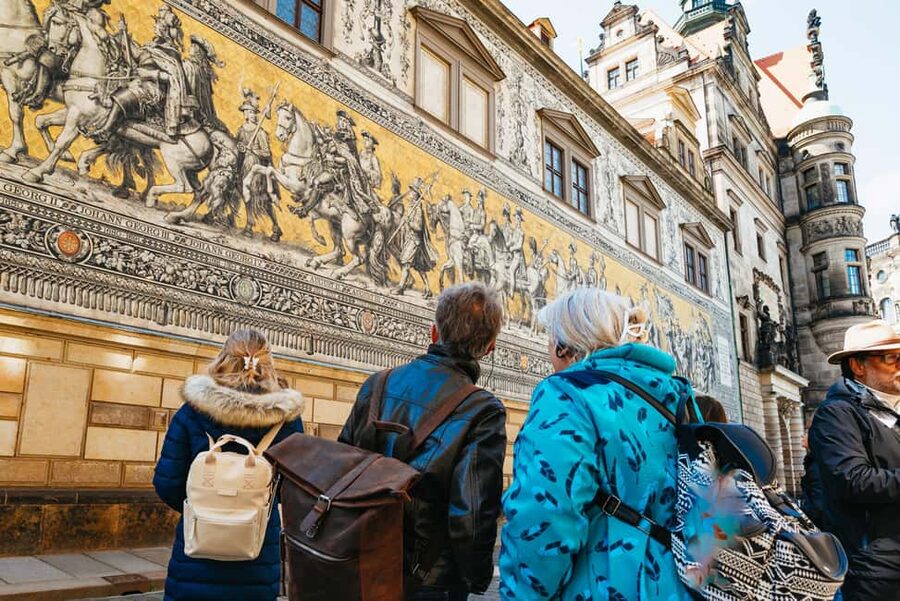
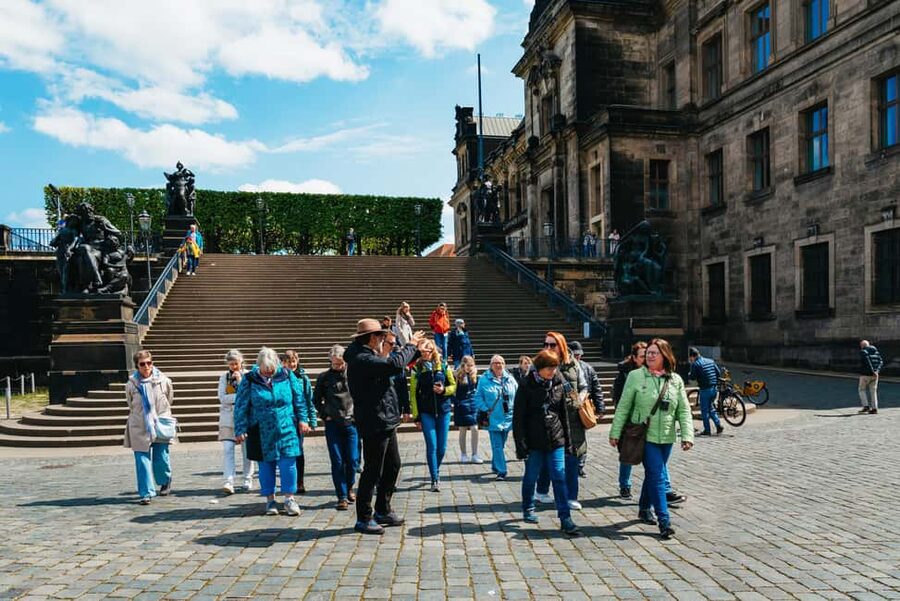
One of the first stops is the Stallhof, followed by the Fürstenzug, Dresden’s famous “Procession of Princes.” This is where Dresden does something clever: it turns power and dynastic history into a visual experience you can read.
Here is the key thing I like about this stop. You do not just “see a mural.” You learn who the figures represent and why the display matters to Dresden’s identity. When you know that, you start noticing patterns and meaning in the artwork, not only colors and faces.
Also, these areas are ideal for photos. You’ll get a few planned moments for pictures, and because the guide knows the flow of the streets, you won’t waste time hunting for the best angles while the group moves on.
Brühl’s Terrace: Classic River Views With Real Context
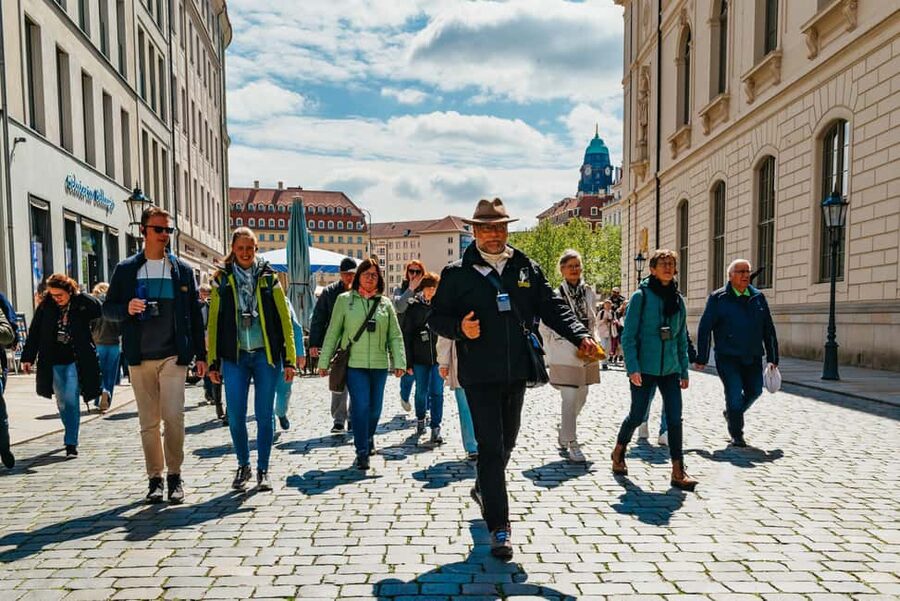
After the Fürstenzug, the walk continues to Brühl’s Terrace. This is one of those places where the view is only half the point. The other half is understanding why Dresden built and used these spaces the way it did.
Brühl’s Terrace is also a great pause in the walk, because you can look out over the river and then look back at the architecture lining the terrace. When the guide explains how the city developed and changed across centuries, you start seeing the “why” behind the scene.
If you are the type who likes to understand city planning, this is the segment that will click for you. You’ll connect the dots between the grand facades, the city’s ambitions, and the way later reconstruction and new building choices affected what Dresden looks like today.
More Walking Tours in Dresden
- Dresden: Complete Walking Tour with Frauenkirche Visit
★ 4.8 · 700 reviews - Dresden: Walking Tour with a Night Watchman and Meal
★ 4.4 · 487 reviews - Dresden: Guided Walking Tour and Chocolate Museum Ticket
★ 4.5 · 479 reviews - Dresden: Taste of Dresden Food Walk
★ 4.6 · 397 reviews
Semperoper: When Art and Politics Sit Side by Side
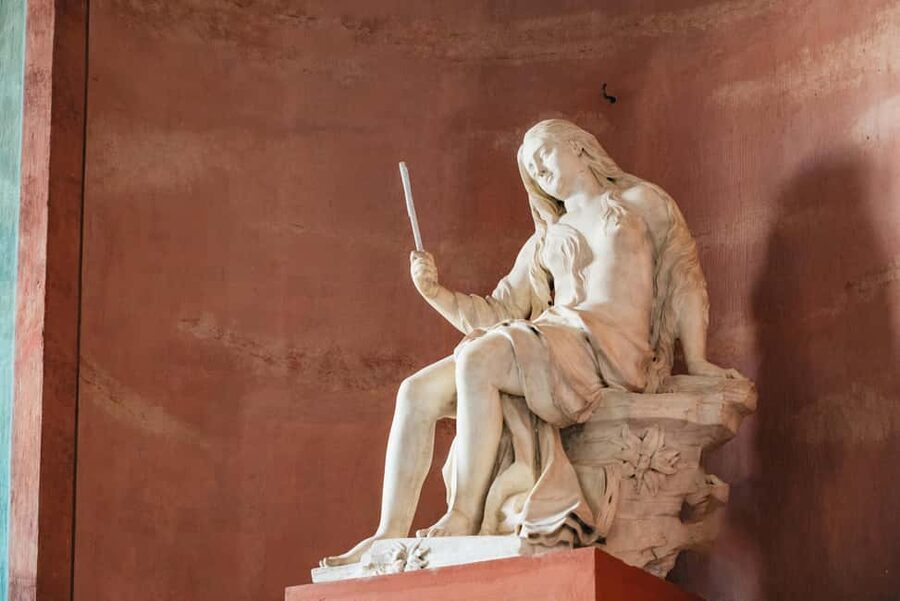
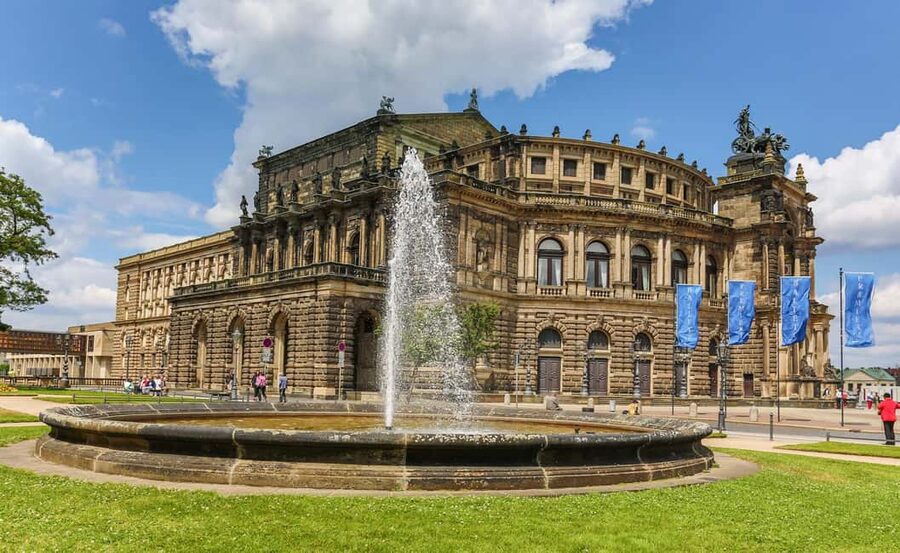
Next comes the Semperoper. The name alone tells you it’s important, but the guided element is what makes it satisfying. You learn how the theater sits in Dresden’s story, and how grand cultural buildings reflect the values of the time that built them.
The practical benefit here is timing. Semperoper is often busy and visually impressive, so you want someone to point out the details that make it more than a pretty facade. The guide’s job is to help you see the “development” of the city through one emblematic building.
If you care about architecture and what societies choose to invest in, you’ll enjoy this stop. It’s also a good “breather” before the more intense concentration of Baroque you get next at the Zwinger.
The Zwinger and the Nymphenbad: Baroque Brilliance in One Area
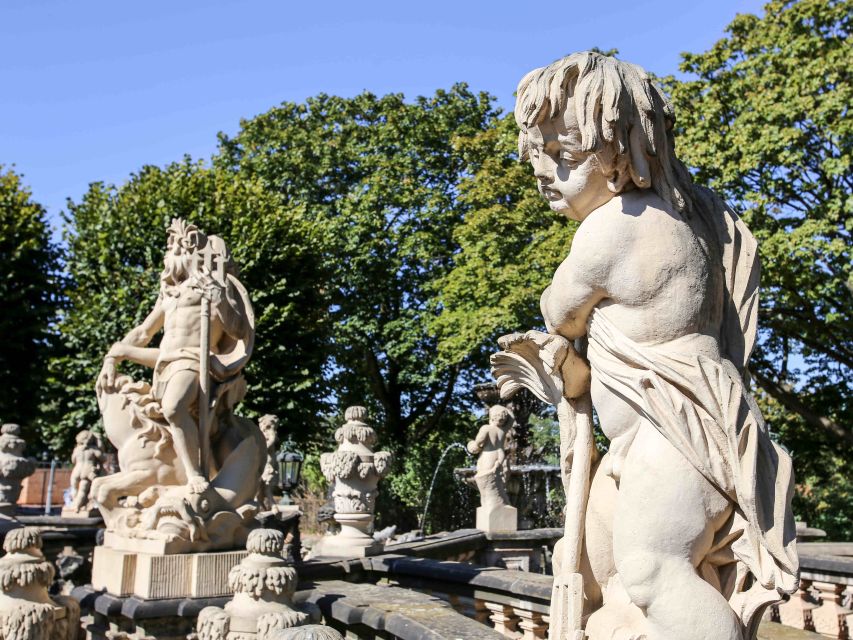
From Semperoper, you move into the Baroque world of the Zwinger. This is the kind of place where you can easily get lost because everything looks important. The guide helps you stay oriented, so you learn what to focus on and why.
The Zwinger is also where you’ll get the included stop at the Nymphenbad, described as mysterious in the tour materials. That detail matters because it adds variety. You are not only ticking off famous buildings, you are seeing an odd, intriguing feature that gives the Baroque setting extra personality.
I like how Baroque buildings can feel overpowering if you don’t understand them. With a guided explanation, it becomes more readable. You start recognizing themes like symmetry, spectacle, and the way art was used to project status.
One practical tip: this is a place where you will want to stop and look up. The guide’s photo stops help, but give yourself a few seconds extra on the facade and decorative elements. Even in a 90-minute walk, small moments of attention make a big difference.
Dresden Castle and the Residenzschloss Area: From Royal Power to Modern Questions
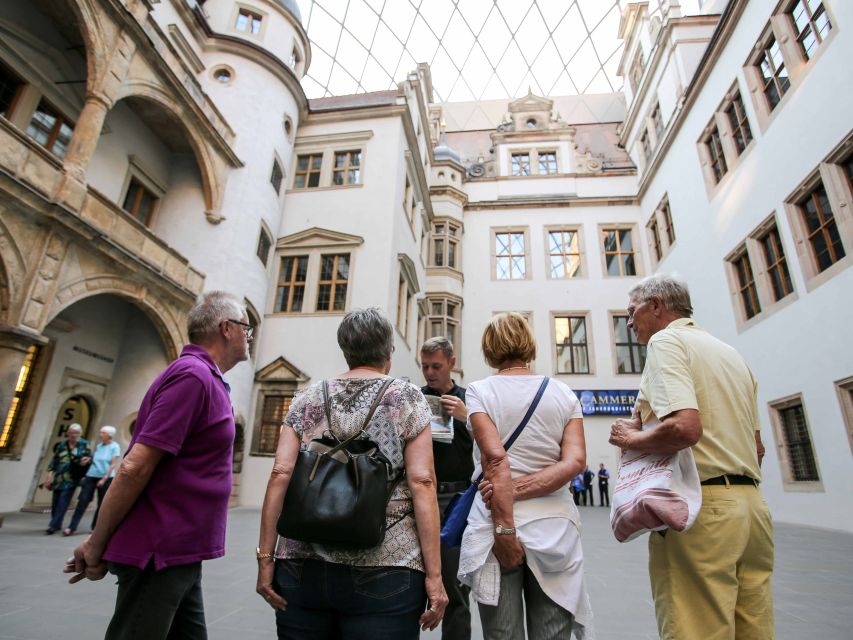
The walk then reaches the Dresden Castle area, including the Residenzschloss. This is where the story shifts from decoration and theater to governance and royal life.
This segment is important because Dresden’s identity is not only about aesthetics. The city went through difficult periods, and later eras raised controversial questions about rebuilding and new construction. A good guide ties these themes together, so the old stones connect to later history instead of feeling like separate sightseeing stops.
If you like to understand how a city’s politics shape what you see on the ground, this is your stop. The guide’s “big stories” approach helps you see why the city’s layout and key buildings matter, not just how they look.
Dresden Cathedral Area and the River Walk Energy
As the walk continues, you move toward the area associated with the Dresden Cathedral stop in the route description. This is another moment where the guide helps you connect perspectives.
Standing and walking here gives you a different angle on the old town, and it’s a useful contrast after the Baroque intensity of the Zwinger and the heavier royal context near the castle area. In plain terms, the tour uses the route like a storyline, not just a checklist.
You also get more chances to take in the city from slightly different vantage points. If you plan to do other walking later, this tour effectively teaches you how Dresden’s streets “flow,” so your self-guided time afterward feels easier.
Taschenbergpalais and Augustus Bridge: A Transition to the Finale
Next up are Taschenbergpalais and Augustus Bridge. This is the part of the walk that feels like a transition. You are moving from major monuments into a more connected city scene, with bridges and palace facades shaping what you see around you.
Why I think this works: it keeps the tour from becoming only landmark stops. Bridges are where you feel the city’s geography. Palaces add the elegance factor, but with context, so you don’t only admire, you understand.
You’ll also get more photo opportunities here, especially if you like wide views and lines leading into the distance. The guide helps you find good spots without forcing you to sprint.
Finishing at Frauenkirche: The Emotional Anchor of the Walk
The walk ends near Frauenkirche, at An der Frauenkirche, 01067 Dresden. This is the finale for a reason. The Frauenkirche is not just a famous church, it represents Dresden’s losses, recovery, and the kind of rebuilding that shaped how the city is remembered.
The guide’s storytelling here is especially effective because it ties the big historical arc together. You’ve already heard about the Middle Ages and Renaissance changes, then Baroque grandeur, and then the modern layer, including the pressure and hope around 1989.
Even if you only catch this at the end of a 90-minute walk, it lands. The tour guides you toward a finish that feels meaningful, not just convenient. You leave with a stronger sense of what Dresden endured and why it looks the way it does today.
Price and Value: Getting Story, Photo Stops, and Practical Tips for $15
At $15 per person for a 90-minute guided walk, this is good value if you care about context. You are paying for a live guide, planned photo moments, and a route that covers major sights without wasting time.
Also, the included “insider tips” angle is real value in a city like Dresden. You’ll want ideas for where to eat and what to do after the tour, and the guide is positioned to offer practical suggestions based on what is near your route.
One more detail that matters for value: the tour is designed to help you skip the ticket line. Even if you don’t love ticket logistics, the time you save can be the difference between seeing one more thing versus losing your day to queues.
Language, Pace, and Who Will Enjoy It Most
This tour is German only, so choose it if you can follow German comfortably or if you are traveling with someone who can. The group tour format and the guide’s narrative approach depend on you catching the details.
On the plus side, it is listed as wheelchair accessible, which is a big deal for anyone who struggles with stairs or uneven routes. Still, it’s a walking tour, so wear comfortable shoes, and plan for time outdoors.
This is a great fit for:
- First-time visitors who want the key landmarks in a short window
- People who like history explained in human terms, not just dates
- Travelers who want Baroque highlights plus modern historical context
It may be less ideal if you only want a self-guided photo tour and you do not want to hear explanations in German for the full 90 minutes.
Should You Book This Dresden City Walk?
Yes, if you want a guided path that actually makes Dresden legible. The combination of big monuments like Frauenkirche, Semperoper, and the Zwinger, plus the story of the Peaceful Revolution of 1989, gives you more than sightseeing. You finish with a city that feels connected, not like separate stops.
I would book it if you value a guide who calls out good photo opportunities and also gives practical “what to do next” ideas for restaurants and leisure. At $15 for 90 minutes, it’s an easy purchase when you want clarity without spending a fortune.
Skip it only if German is a dealbreaker for you. If you can follow German, this is a smart way to spend your first day in Dresden’s old town.
FAQ
What is the duration of the Dresden guided city walk?
The tour lasts 90 minutes.
How much does the tour cost?
The price is $15 per person.
Where is the meeting point?
Please go into the basement of the QF Passage. The meeting point is in the seating area of the Dresden Information.
What are the main highlights I will see?
You’ll see major sights including Frauenkirche, Semperoper, Zwinger, and Taschenbergpalais, plus stops such as Brühl’s Terrace and Fürstenzug.
Is the tour available in English?
No. The tour is available in German only.
Does the tour include a visit inside the Zwinger?
Yes. The tour includes a visit to the Nymphenbad in the Zwinger.
Can I skip ticket lines?
Yes, the tour notes that you can skip the ticket line.
Is the tour wheelchair accessible?
Yes, it is listed as wheelchair accessible.
Is there free cancellation?
Yes. Free cancellation is available up to 24 hours in advance for a full refund.
Are there any child booking limits or group rules?
Per adult, a maximum of 4 children tickets can be booked. School classes and youth groups of 10 people or more with participants under 15 years old should book an exclusive group tour.
Fresh reviews out of Dresden
- Dresden: 2 day ticket for museums of the Dresden State Art Collections★ 4.7 · 54 reviews
- Big Sightseeing Tour in Dresden with Liveguide★ 4.5 · 55 reviews
- Dresden Sightseeing Treasure Hunt★ 5.0 · 57 reviews
- Public guided tour of the old town including a tour of the Frauenkirche★ 5.0 · 59 reviews
- Dresden: Walking Tour with Virtual Reality elements★ 4.5 · 63 reviews
- Dresden: Bootstour im Schlauchboot durch die Altstadt★ 4.9 · 64 reviews
- From Dresden: Bohemian & Saxon Switzerland Day Trip★ 4.8 · 64 reviews
- 1.5 hours Segway Elbe Mini Tour★ 5.0 · 66 reviews
City Tours, compared.

1-Hour City Tour by Boat with Guaranteed Seating
Read our review →
City History Canal Sightseeing Tour on a Motorboat
Read our review →
Browse the lists this tour appears in